
- ICYMI: AG Ford Holds Roundtable With CCSD Educators On Setting Schools and Students Up For Success
PRESS RELEASE
- ICYMI: AG Ford Holds Data Center Town Hall in Ruby Red Boulder City
PRESS RELEASE
- Attorney General Ford Slams Lombardo For Helping Trump Suppress Nevadans’ Votes
PRESS RELEASE
- Aaron Ford Launches Spanish Language Website to Speak Directly to Nevada’s Latino Community
PRESS RELEASE
- After Lombardo Declined to Debate, Ford Agrees to Empty Podium Debate
PRESS RELEASE
- Attorney General Aaron Ford Releases Statement on the Ninth Anniversary of the 1 October Shooting
PRESS RELEASE
- ICYMI: Ford Shares Plans to End Lombardo-Trump Affordability Crisis on The Breakfast Club & More
PRESS RELEASE
- ICYMI: Ford Talks Cutting Costs And Creating Opportunity At Fifth Town Hall
PRESS RELEASE
- Ford Statement On 19th Straight Month of Tourism Decline Caused by Lombardo-Trump Tariffs
PRESS RELEASE
- WATCH: Ford Corrects The Record On Lombardo’s Latest Ad Full Of Lies
PRESS RELEASE
- FACT CHECK: Lombardo PAC is Lying – AG Ford Did Not Ask For Norman Smith To Be Released Early
PRESS RELEASE
- ICYMI: Ford Shares Plan to Lower Costs at UNLV Town Hall
PRESS RELEASE
- NEW: Crystal Ball and Silver Bulletin Move Nevada Governor’s Race To Toss-Up
PRESS RELEASE
- ICYMI: Ford Speaks Out on Record-High Diesel And Crushing Gas Prices in Nevada
PRESS RELEASE
- Aaron Ford Slams Lombardo’s Weak Data Center Executive Order, Reaffirms His Commitment to Halting Tax Breaks And Prioritizing Community Input
PRESS RELEASE
- FACT CHECK: Lombardo Ad Full Of Lies Debunked Over A Month Ago
PRESS RELEASE
- Retail Association Endorses Aaron Ford Citing His Fight Against Trump’s Tariffs Tax
PRESS RELEASE
- During Hispanic Heritage Month, Aaron Ford Launches Spanish Language Website to Speak Directly to Nevada’s Latino Community
PRESS RELEASE
- Attorney General Aaron Ford Accepts Debates While Lombardo Continues to Duck Reporters
PRESS RELEASE
- Aaron Ford Statement On Gas Prices Once Again Surpassing $5 A Gallon
PRESS RELEASE
- New Poll: Ford Takes Lead in NV Gov Race Even After Lombardo’s “Billionaire Friends” Blew $20 Million
PRESS RELEASE
- Aaron Ford Blasts Lombardo Saying Workers Are Asking For Handouts
PRESS RELEASE
- NEW: Ford to Introduce Legislation to Expand PUCN, Protect Consumers From Data Center Electricity Price Hikes
PRESS RELEASE
- WATCH: On MS Now Ford Talks Affordability, Joe Lombardo’s Data Centers, and Fighting for Nevada’s Working Families
PRESS RELEASE
- Ford Rallies Workers at Reno LaborFest
PRESS RELEASE
- Las Vegas Sun: Lombardo Calls Data Centers "Gold Rush" While Ford Calls Them 'Threat to Wallets and Water’
PRESS RELEASE
- Aaron Ford Blasts Lombardo For Supporting Trump War Causing Record High Gas Prices on Labor Day
PRESS RELEASE
- WATCH: Ford Goes On ‘Pod Save America’ To Talk About How He’ll Fight For Nevadans
PRESS RELEASE
- Aaron Ford Slams Lombardo’s Pathetic Data Center Giveaway Masked As A Second Term Agenda
PRESS RELEASE
- WATCH: Ford Slams Lombardo Being Bought And Paid For By Data Centers In New TV Ads
PRESS RELEASE
- ICYMI: Ford Holds Town Hall On Data Centers, Rising Electricity Costs At Teamsters Local 14
PRESS RELEASE
- NEW REPORT: Lombardo Uses Vetoes to Take Care Of His “Billionaire Friends” At Nevadans’ Expense
PRESS RELEASE
- Ford Slams Lombardo, Trump for Cheerleading Data Centers
PRESS RELEASE
- ICYMI: Ford Proposes Data Center Restrictions
PRESS RELEASE
- Aaron Ford Statement On Flock Cameras
PRESS RELEASE
- WATCH: Ford Launches New TV AD Focused on Resilience, Lowering Costs for Nevadans
PRESS RELEASE
- NEW: Lombardo Takes Data Centers’ Cash While Ford Outlines How He’ll Crack Down On Them
PRESS RELEASE
- Lombardo Calls Data Centers a “Gold Rush” as Nevada Faces Water Shortage Fueled by Data Centers
PRESS RELEASE
- Ford Slams New Lombardo-Trump Tariffs On Basic Necessities
PRESS RELEASE
- WHAT THEY'RE SAYING: Ford Announces Plan to Pause New Tax Abatements for Data Centers
PRESS RELEASE
- Aaron Ford Statement On Trump and Lombardo Being in Lockstep On Data Centers
PRESS RELEASE
- NEW: Aaron Ford Announces Plan To Pause Tax Breaks For Data Centers
PRESS RELEASE
- Ford Slams Lombardo-appointed PUCN For Keeping Nevadans In The Dark On Rising Energy Costs
PRESS RELEASE
- Lombardo’s Former Deputy Police Chief Backs Ford for Governor
PRESS RELEASE
- WATCH: Ford Commits To Declare Affordability State Of Emergency On Day One In New TV Ad
PRESS RELEASE
- FACT CHECK: The Nevada Independent Rips Apart Lombardo Campaign’s Latest Lies
PRESS RELEASE
- Ford Campaigns On Cutting Costs In Reno As Part Of Statewide ‘Stuff Costs Too Much’ Tour
PRESS RELEASE
- FACT CHECK: Lombardo Spews Lies, Brags About Raising Costs While Taking Orders from Donald Trump
PRESS RELEASE
- WATCH: Ford Launches New TV Ad Featuring Lombardo in His Own Words Saying His Top Priority is Taking Care of Trump’s “Billionaire Friends”
PRESS RELEASE
- Ford Campaign Statement on Donald Trump and Joe Lombardo Campaigning Together in Las Vegas
PRESS RELEASE
- Lombardo Says He’s Powerless to Address Affordability After Making it His Entire Campaign in 2022
PRESS RELEASE
- NEW: As Gas Prices Skyrocket, Lombardo Doubles Down on Support of Trump’s Iran War
PRESS RELEASE
- WATCH: Ford Launches First TV Ad of Cycle Focused on Lombardo-Trump Cost-of-Living Crisis
PRESS RELEASE
- Ford Slams Lombardo For Supporting Price-Raising Demand Charge, Shares Plan To Stop It
PRESS RELEASE
- Polling Shows Tied Race, Ford Gaining Momentum As Lombardo Remains “Concerned” About Re-Election
PRESS RELEASE
- ICYMI: Ford Talks Cutting Costs and Creating Jobs On Small Business Tour
PRESS RELEASE
- LEAKED AUDIO: Lombardo Calls Trump His ‘Commanding Officer’ In Regards to Dealing with ICE
PRESS RELEASE
- AG Ford Drops "I'm Joe Lombardo" for a Free Ticket at the Beverly Theater
PRESS RELEASE
- Lying Lombardo Strikes Again: Debunking The Latest BS Pro-Lombardo Ad
PRESS RELEASE
- Attorney General Ford Statement on Attempted ICE Arrest at Harry Reid International Airport
PRESS RELEASE
- NEW: Lombardo Caught Lying Again, “Dems for Lombardo” Member Supports Aaron Ford
PRESS RELEASE
- BREAKING: Ford Campaign Blasts Lombardo For Using Taxpayer Resources To Launch Baseless Political Smears
PRESS RELEASE
- Ford Raised Nearly $2.6 Million In Q2, Record Haul for Non-Incumbent Candidate
PRESS RELEASE
- ICYMI: Ford Highlights How Trump Ripped Away Food And Health Care With Joe Lombardo’s Support
PRESS RELEASE
- Attorney General Ford Statement on One Year Impacts of One Big Beautiful Bill
PRESS RELEASE
- Nevada Solar Association Endorses Aaron Ford for Governor
PRESS RELEASE
- Las Vegas Sun: Ford’s plan targets NV Energy fees, prescription costs, corporate landlords
PRESS RELEASE
- Aaron Ford Unveils ‘Workers First’ Economic Development Plan
PRESS RELEASE
- Attorney General Ford Slams Donald Trump For Refusing to Sign Bipartisan Bill to Lower Housing Costs
PRESS RELEASE
- BREAKING: Lombardo Attack Ad "False", Allies Paid Workers to Lie; Worker Actually Voted for Ford
PRESS RELEASE
- Attorney General Aaron Ford Challenges Joe Lombardo to Debates
PRESS RELEASE
- Aaron Ford Slams Lombardo’s PUCN For Keeping Nevadans In The Dark About The Demand Charge
PRESS RELEASE
- ‘‘Not going to back down’: Ford targets vulnerable Lombardo in Nevada governor’s race’”
PRESS RELEASE
- Ford Campaign Statement On Aaron Ford Winning Nevada Democratic Gubernatorial Primary
PRESS RELEASE
- North Las Vegas Mayor Pam Goynes Endorse Attorney General Aaron Ford’s Campaign for Governor
PRESS RELEASE
- Attorney General Ford Slams Lombardo For Playing Politics With Dying Nevadans’ Health Care
PRESS RELEASE
- Attorney General Ford: “Lombardo Wants To Give Money to ICE While Nevadans Can’t Afford to Live”
PRESS RELEASE
- Nevada Independent: ‘Ford focuses on affordability, slams 'Lombardo-Trump economy'’
PRESS RELEASE
- Attorney General Aaron Ford Will Take His Fight To Block Demand Charge To The Supreme Court
PRESS RELEASE
- ICYMI: As Early Voting Starts, Ford Hammers Lombardo-Trump Economy
PRESS RELEASE
- ICYMI: Ford Reaffirms Commitment to Being Most Pro-Worker Governor in Nevada History If Elected
PRESS RELEASE
- ICYMI: Joe Lombardo is Right to Be “Concerned” About Defending His Failing Record
PRESS RELEASE
- ICYMI: AFL-CIO Endorses Aaron Ford for Governor
PRESS RELEASE
- In Latest Act of Corruption, Lombardo Fires Regulator Then Receives $500k from Nevada Gold Mines
PRESS RELEASE
- ICYMI: Ford launches Education Plan to Set Nevada Students up for Success
PRESS RELEASE
- Aaron Ford Unveils ‘Student Success’ Agenda To Promote Educational Opportunity in Nevada
PRESS RELEASE
- Utility Companies Back Lombardo As Ford Fights to Stop Their Demand Charge Price Hike
PRESS RELEASE
- Attorney General Aaron Ford Slams Supreme Court Gutting the Voting Rights Act
PRESS RELEASE
- Attorney General Aaron Ford on Trump Once Again Failing to Refund Nevadans for Illegal Tariffs Tax
PRESS RELEASE
- Nevada Conservation League Endorses Aaron Ford For Governor
PRESS RELEASE
- Attorney General Aaron Ford Sets The Record Straight On Failing Lombardo-Trump Economy
PRESS RELEASE
- REMINDER: On Tax Day, Joe Lombardo Still Supports Trump’s $1,700 Illegal Tariffs Tax
PRESS RELEASE
- AG Aaron Ford Statement on Soaring Inflation Caused By Trump’s Iran War, Supported by Joe Lombardo
PRESS RELEASE
- Amid Skyrocketing Gas Prices, Aaron Ford Slams Joe Lombardo for Supporting Trump’s Iran War
PRESS RELEASE
- Ford Raises Record Breaking $1.5 Million In Q1, Historic Haul for Non-Incumbent Candidate
PRESS RELEASE
- Ford Energy Plan Will Halt Demand Charge, Battle Trump Policies
PRESS RELEASE
- Aaron Ford Unveils Energy Plan as Third Plank of ‘Affordable Nevada’ Platform
PRESS RELEASE
- Statement on Anniversary of Trump’s So-Called “Liberation Day”
PRESS RELEASE
- NEW POLLS: Ford Has The Momentum In Extremely Tight NV Gov Race
PRESS RELEASE
- SEIU Local 1107 Endorses Aaron Ford for Governor
PRESS RELEASE
- Aaron Ford Holds Education Roundtable with Southern Nevada Educators, Parents, and Students
PRESS RELEASE
- Bricklayers Local 13 Endorses Aaron Ford for Governor
PRESS RELEASE
- What They’re Saying: Attorney General Ford, Retail Association Blast Lombardo-Trump Tariffs
PRESS RELEASE
- Ford Statement on Senate Passage of ROAD to Housing Act
PRESS RELEASE
- Under Joe Lombardo, “Nevada has become a symbol of America's struggle with high costs”
PRESS RELEASE
- Ford Campaign Statement on Soaring Gas Prices Caused By Lombardo’s Ally, Trump
PRESS RELEASE
- Ironworkers Local 433 Endorses Aaron Ford for Governor
PRESS RELEASE
- Ford Campaign Statement on Joe Lombardo Filing for Re-election
PRESS RELEASE
- Aaron Ford Files to Run for Governor, Launches Campaign Focused on Making Nevada More Affordable
PRESS RELEASE
- AFSCME Local 4041 Endorses Aaron Ford for Governor
PRESS RELEASE
- Attorney General Ford Statement on “Disastrous” January Gaming Control Board Report
PRESS RELEASE
- Attorney General Ford Statement on President Trump’s Latest Attempts to Federalize Nevada’s Elections
PRESS RELEASE
- WATCH: Ford Fights Trump’s Tariff Tax As Lombardo Fully Embraces Them
PRESS RELEASE
- Aaron Ford Slams Lombardo-Trump Tariffs for “Pain” Inflicted on Nevada’s Economy
PRESS RELEASE
- Attorney General Ford Responds to President Trump’s State of The Union Address
PRESS RELEASE
- WATCH: Ford Slams Lombardo-Trump Economy After Trump Unveiled New Tariffs Alongside Lombardo
PRESS RELEASE
- Attorney General Ford Defeats Trump’s Tariffs After Lombardo Said Nevadans Should “Feel A Little Pain” From Them
PRESS RELEASE
- Aaron Ford Unveils Second Plank of ‘Affordable Nevada’ Agenda: Health Care
PRESS RELEASE
- Defend The Vote Endorses Aaron Ford for Governor
PRESS RELEASE
- Ford Campaign Statement on Lombardo’s Desperate Attempt to Distract from Abysmal Economic Record
PRESS RELEASE
- Laborers’ Union Local 169 Endorses Aaron Ford for Governor
PRESS RELEASE
- Nevada NOW Endorses Aaron Ford for Governor
PRESS RELEASE
- IBEW Local 357 Endorses Aaron Ford for Governor
PRESS RELEASE
- Aaron Ford Statement on ICE’s Federal Overreach Across The Nation
PRESS RELEASE
- Operating Engineers Local 3 Endorses Aaron Ford for Governor
PRESS RELEASE
- Lombardo-Trump Economy: High Inflation Cost Nevada Families Nearly $1,600 Last Year
PRESS RELEASE
- Aaron Ford Unveils First Plank of ‘Affordable Nevada’ Agenda: Housing
PRESS RELEASE
- Ford Raises More Than $2.7 Million In 5 Months, Historic Grassroot Support Across Nevada
PRESS RELEASE
- UAW Region 6 Endorses Aaron Ford for Governor
PRESS RELEASE
- After Lombardo Vetoed Legislation to Limit Corporate Homeownership, Trump Sides with Ford on the Issue
PRESS RELEASE
- FORD: “I’m Going To Be The Most Pro-Labor Governor This State Has Ever Seen”
PRESS RELEASE
- IBEW Local 401 Endorses Aaron Ford for Governor
PRESS RELEASE
- Rural Elko County Leaders Endorse Aaron Ford for Governor
PRESS RELEASE
- Mesa Valley Progress: “Attorney General [Ford] reiterate[d] his core agenda: making Nevada more affordable for working families”
PRESS RELEASE
- Attorney General Ford Demands Lombardo Sign Legislation to Limit Corporate Homeownership
PRESS RELEASE
- Ford Concludes Working Class First Tour With Swing Through Ely, Mesquite, and West Wendover
PRESS RELEASE
- Ford Focuses On Affordability In Virginia City, Fallon, Battle Mountain, and Elko on Working Class First Tour
PRESS RELEASE
- Ford Talks Affordability In Carson City, Reno, and Sparks On Working Class First Tour
PRESS RELEASE
- Ford Hosts Packed Town Halls In Dayton and Gardnerville On Working Class First Tour
PRESS RELEASE
- Aaron Ford Launches Statewide Working Class First Tour
PRESS RELEASE
- ICYMI: Ford Slams Lombardo-Trump Economy After Trump Endorses Lombardo
PRESS RELEASE
- Ford Campaign Statement on Joe Lombardo Embracing Trump Endorsement
PRESS RELEASE
- Lombardo is About to ‘Feel a Little Pain’; Most Vulnerable GOP Gov Faces a Hurricane of Voter Anger
PRESS RELEASE
- Las Vegas Sun: Aaron Ford: Fight to protect SNAP benefits for Nevadans is personal
PRESS RELEASE
- WATCH: Ford Sues Trump Administration to Protect Nevadans’ SNAP Benefits
PRESS RELEASE
- End Citizens United Endorses Aaron Ford for Governor
PRESS RELEASE
- Nevada State Education Association Endorses Aaron Ford for Governor
PRESS RELEASE
- Ford Continues Fighting to Lower Housing Costs After Lombardo Vetoed Affordability for Working Families
PRESS RELEASE
- Attorney General Aaron Ford Statement on National School Lunch Week
PRESS RELEASE
- Ford Discusses Strengthening Schools, Lombardo Disregards Nearly 80% of Students
PRESS RELEASE
- Aaron Ford Discusses Strengthening Schools, Making Nevada More Affordable in Rural Mesquite
PRESS RELEASE
- Ford Announced "First-of-its-Kind" RealPage Settlement, Continues Fighting to Lower Housing Costs
PRESS RELEASE
- Planned Parenthood Advocates Mar Monte Endorses Attorney General Aaron Ford for Governor
PRESS RELEASE
- WATCH: Ford Exposes Lombardo’s Failure To Lower Costs, Promises to Prioritize Nevada Families
PRESS RELEASE
- Ford Campaign Statement on Joe Lombardo Launching Re-Election Campaign
PRESS RELEASE
- Ford Secures a Majority of State Legislators' Endorsements in Gubernatorial Bid
PRESS RELEASE
- Washoe County Leaders Endorse Aaron Ford for Governor
PRESS RELEASE
- Ford Breaks Fundraising Record, Raises More Than Any Non-Incumbent Democrat In Nevada History
PRESS RELEASE
- Ford Announces $1.1 Million Raised For Launch, Record First Month Haul
PRESS RELEASE
- Reproductive Freedom For All Endorses Attorney General Aaron Ford for Governor
PRESS RELEASE
- Ford Continues to Restore Millions in Funds to Nevada After Lombardo Called Lawsuits ‘Unfortunate’
PRESS RELEASE
- Las Vegas Review-Journal: Ford says Lombardo ‘afraid to stand up to Trump’
Press release
- Las Vegas Sun: Aaron Ford: Our economy is suffering; it’s time to move Nevada forward
press release
- Attorney General Ford Hosts Campaign Launch Event in Reno
press release
- WATCH: Attorney General Ford Slams Lombardo and Trump Over July’s Disastrous Jobs Report
press release
- Attorney General Ford Announces State Legislator Endorsements
PRESS RELEASE
- Attorney General Aaron Ford Launches Campaign for Governor, Secures Key Endorsements
PRESS RELEASE
- U.S. Reps Titus, Horsford and Lee Endorse Attorney General Aaron Ford’s Campaign for Governor
Press release
- Attorney General Aaron Ford Launches Campaign for Governor
Press release
- U.S. Senator Jacky Rosen Endorses Attorney General Aaron Ford for Governor
Press release
- U.S. Senator Catherine Cortez Masto Endorses Attorney General Aaron Ford for Governor
Press Release
PRESS RELEASE
WATCH: Ford Slams Lombardo-Trump Economy After Trump Unveiled New Tariffs Alongside Lombardo
Lombardo Doubles Down on Nevadans’ “Pain”, Joins Trump at the White House as He Unveils New Tariffs
Hours after Attorney General Aaron Ford beat Trump’s reckless tariffs in court, Joe Lombardo rushed to Donald Trump’s side as he announced new tariffs. Ford was fighting to stop an illegal tax on Nevada families. Lombardo was lining up to support Trump impose another one.
This comes nearly one year after Lombardo said Nevadans should “feel a little pain” from Trump’s tariffs. That pain is now reality. Over the last year, the Lombardo-Trump tariffs have caused small businesses to close and prices to rise for Nevada families. Under the Lombardo-Trump economy, grocery costs, unemployment, and homelessness have risen while tourism and state revenue is falling short. Under Lombardo, housing costs climbed to record highs and there is no sign of relief for Nevada residents.
Last week, while Lombardo stood by Trump as he unveiled new tariffs, Ford called on the President to refund Nevada families who were unlawfully taxed by his struck down tariffs.
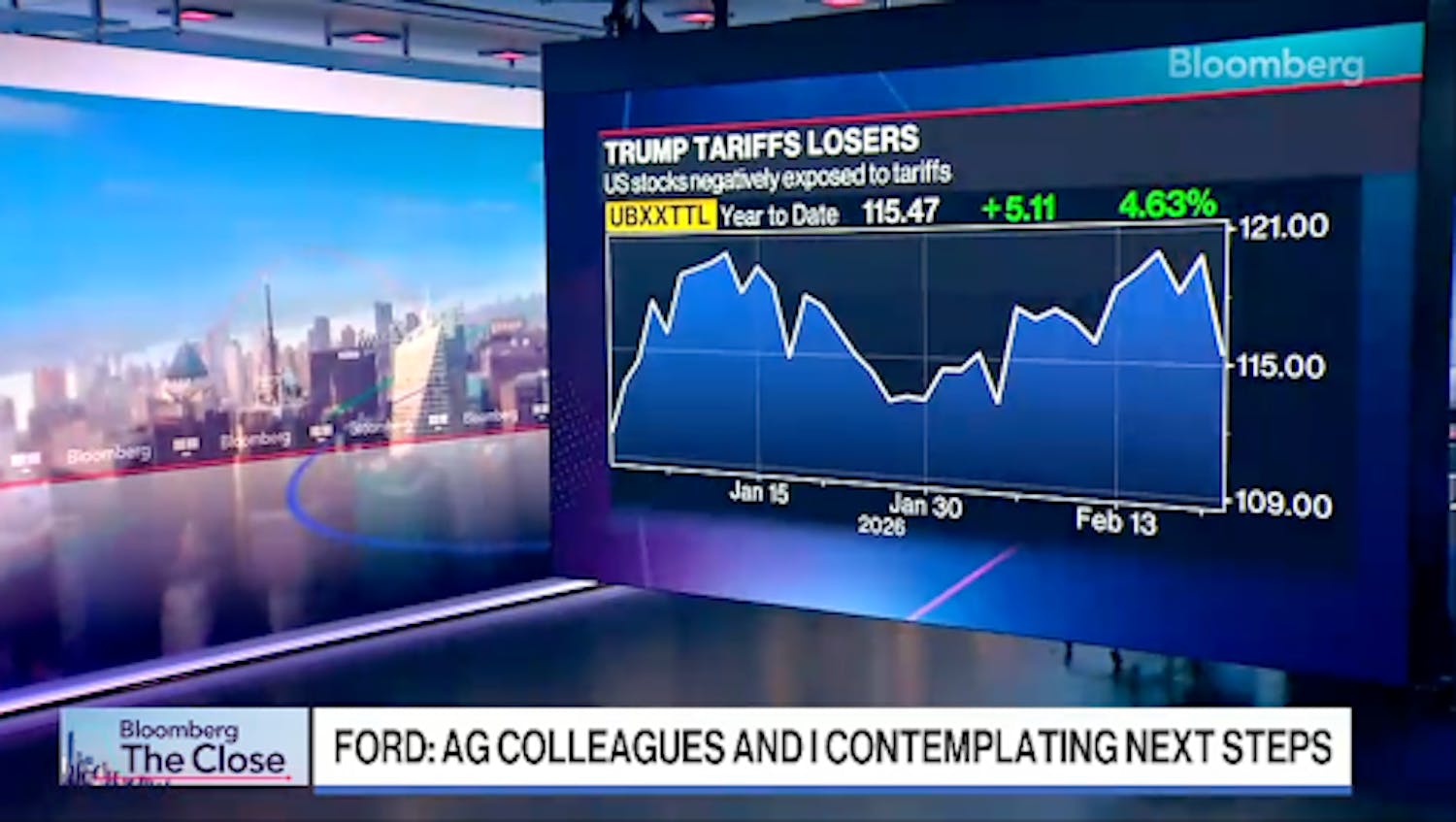
General Ford: “I have a governor in my state that won't stand up to Donald Trump, in fact, [Lombardo] even said that we need to ‘feel a little pain’ from Trump's tariffs. And we’ve felt a lot of pain. So [I’m] going to continue to push back against federal overreach in any way that it presents itself.”
Read more here:
New York Times: Trump Presses on With Tariffs Despite Court, and Court of Public Opinion
[Shane Goldmacher, 2/20/26]
In Nevada, Aaron Ford, the Democratic attorney general, said that he planned to make tariffs a big part of his campaign for governor against Gov. Joe Lombardo, the Republican incumbent, who last year mused that Nevadans “maybe need to feel a little pain in the short term” to get long-term benefit from tariffs.
“Affordability, Mr. Ford said in an interview, is “the issue — capital T, capital H, capital E” for voters and “their pockets have been hit by nearly $1,000 in 2025 because of these tariffs.”’
###